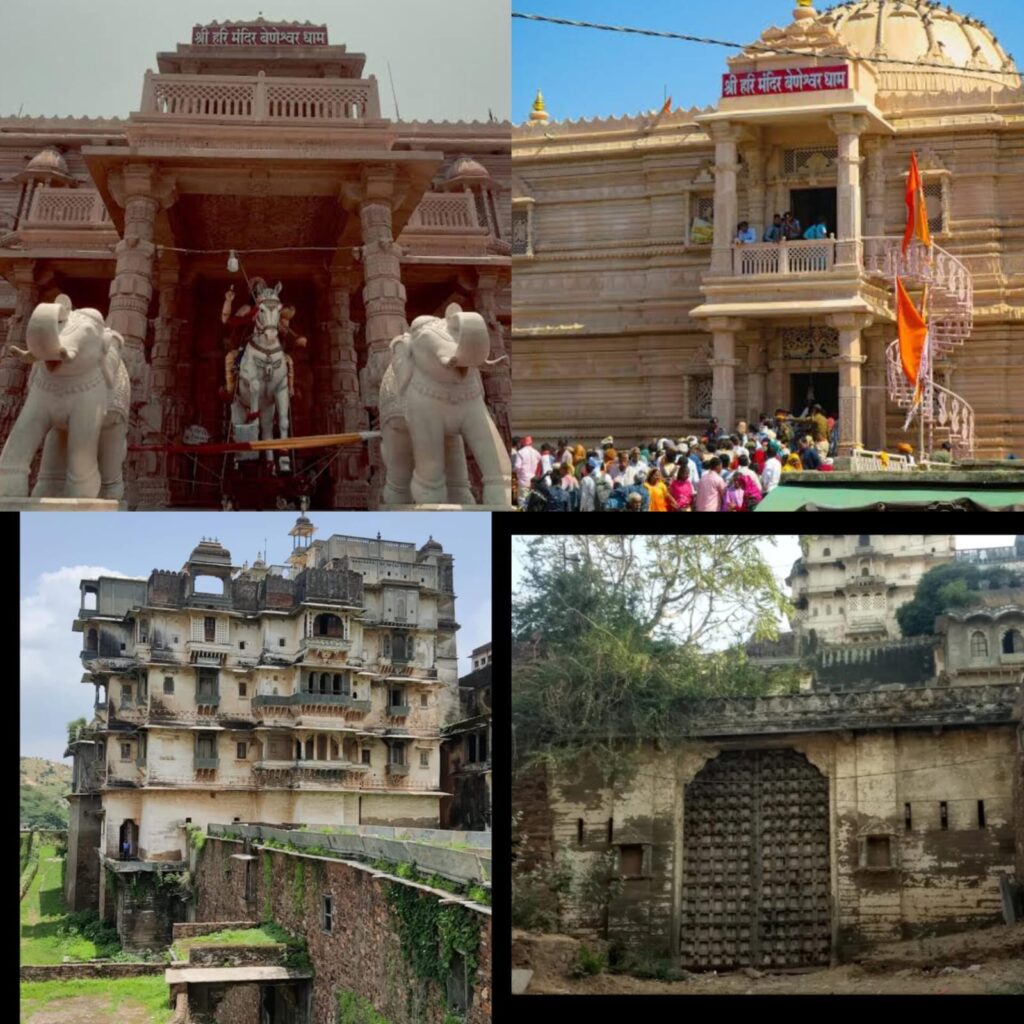
The culture of Dungarpur is one defined by simplicity, a spirit of togetherness, and respect for nature; the sweetness found in the lives and art of its people is unparalleled anywhere else in the world. Beneshwar Dham—situated at the sacred confluence of the Som, Mahi, and Jakham rivers—is not merely a festival but a *Mahakumbh* (grand gathering) for the tribal communities. The traditional dances of the local tribes—such as Ghoomar and Gair—and the folk songs sung in the Vagdi dialect encapsulate the earthy fragrance of our soil. When we speak of democracy and freedom, how can we forget Dungarpur’s brave Kali Bai? She was a 13-year-old tribal girl from Rastapal village who stood tall and fearless against feudal lords and the British to save her teacher’s life, fighting valiantly for her self-respect. That young girl was not just a child; she laid a foundational stone in the struggle against the British. The sacrifice of that little girl strengthened the foundation of our freedom so profoundly that the British were compelled to leave India. In conclusion, I would simply say that this sacred land of Dungarpur teaches us how to strengthen our democracy while remaining deeply rooted in our heritage. Let us all pledge together to remain forever connected to Dungarpur’s art and culture and to fortify it to such an extent that our Dungarpur carves out a new, distinguished identity in history.
Dungarpur’s pride: a confluence of art and culture. Jai Mata Ji.